

ZeroOne Plus
Business management system covering attendance, payroll, HR, CRM, orders and reporting for small companies.
The brief behind the build.
The challenge was to develop a web application for Business Management System (BMS) that encompasses multiple modules, including Attendance Management, Payroll Management, Human Resource Management, CRM, and orders management. The objective was to create a simplified version of an ERP system tailored specifically for small companies.
Additionally, the application needed to include a reporting dashboard, a dynamic workflow generator, support for data import/export with Excel, and integration with various attendance devices.
- Attendance Management
- Payroll Management
- Human Resource Management
- CRM and Orders Management
- Reporting Dashboard
- Dynamic Workflow Generator
- ASP.NET Core
- Angular
- MongoDB
- Stripe
- REST API
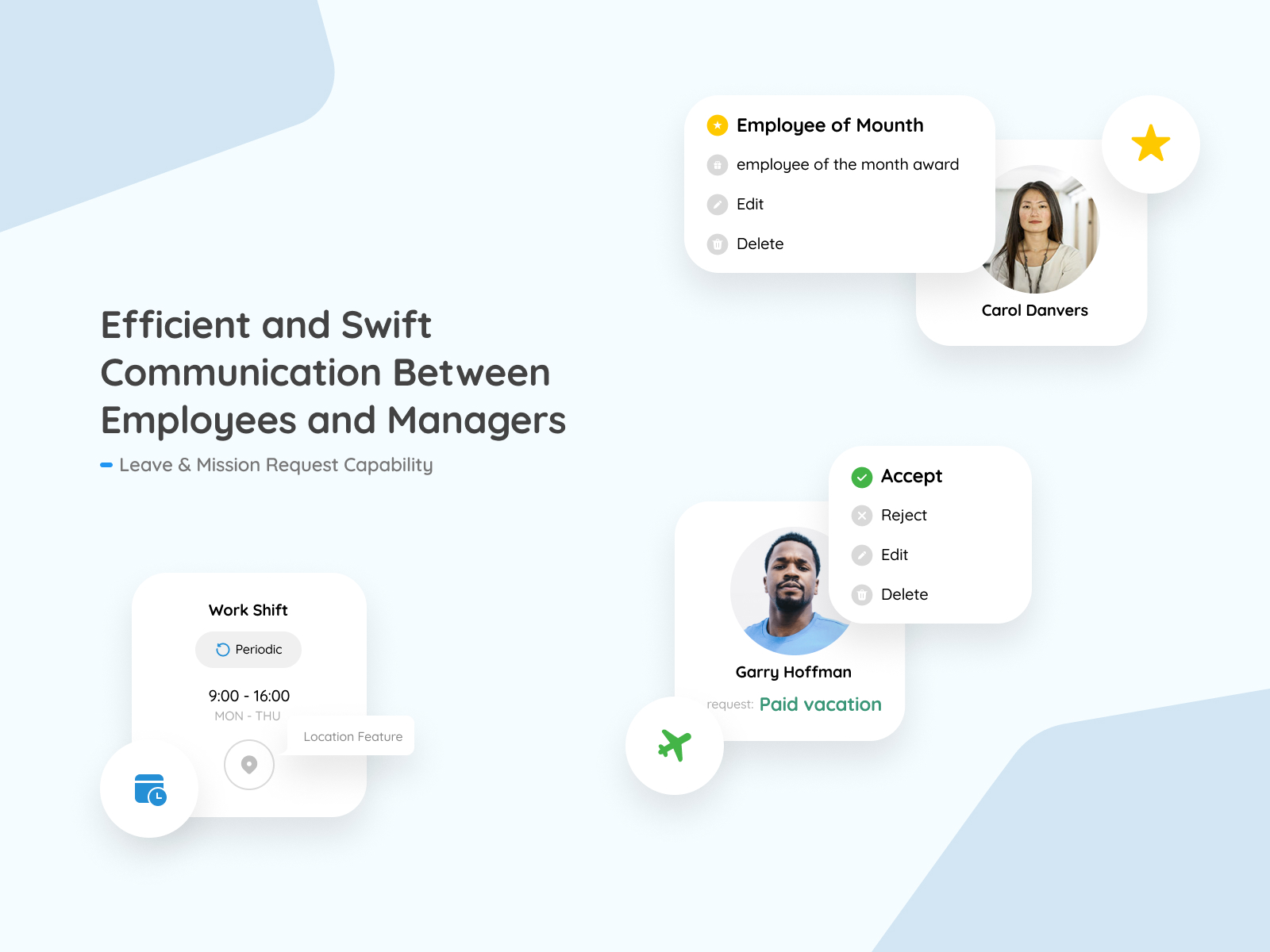
- Attendance Management The BMS web application allows efficient management of employee attendance, including tracking attendance records, managing leave requests, and generating attendance reports.
- Payroll Management The BMS web application automates payroll calculations, enabling users to process employee salaries, deductions, bonuses, and taxes accurately. It provides features such as pay slip generation and management of payroll cycles.
- Human Resource Management The BMS web application incorporates a module for managing human resources, including employee information, performance evaluations, and training records. It streamlines HR processes and facilitates efficient employee management.
- CRM and Orders Management The BMS web application includes a customer relationship management (CRM) module that enables businesses to manage customer interactions, leads, and sales opportunities. It also facilitates orders management, allowing users to track orders, manage inventory, and generate reports.
- Reporting Dashboard The BMS web application features a robust reporting dashboard that provides meaningful insights and visualizations based on the data collected from various modules. It helps users monitor key metrics, generate customized reports, and make data-driven decisions.
- Dynamic Workflow Generator The BMS web application incorporates a dynamic workflow generator that enables users to define and automate their business processes. It allows users to configure workflows, manage transitions, approvals, and notifications across different modules, streamlining operations and enhancing efficiency.
- Data Import/Export with Excel The BMS web application allows users to import and export data using Excel files. This feature simplifies data management, enables smooth data transfer, and enhances interoperability with external systems.
- Integration with Attendance Devices The BMS web application seamlessly integrates with various attendance devices, such as biometric scanners or card readers, to capture attendance data in real-time. This integration ensures accurate and efficient attendance tracking.
How we solved it.
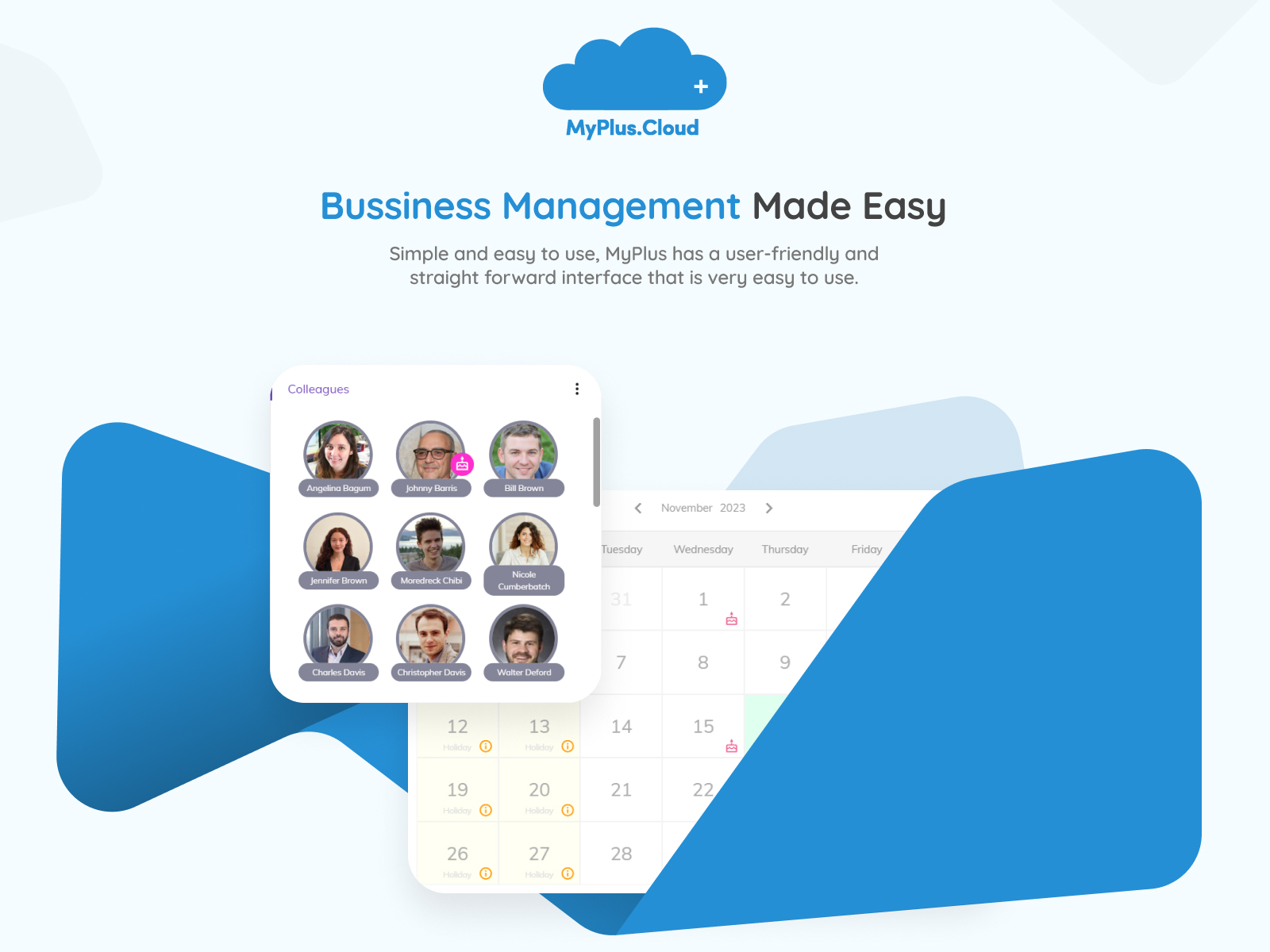
In response to the challenge, we developed a user-friendly web application called BMS, designed to meet the needs of small companies. Each module covers one part of daily operations, and they share one set of data, workflows and reports.
What shipped, module by module.
- Attendance Management Efficient tracking of employee attendance. Management of leave requests. Generation of attendance reports.
- Payroll Management Automation of payroll calculations. Processing of employee salaries, deductions, bonuses, and taxes. Pay slip generation and management of payroll cycles.
- Human Resource Management Module for managing human resources. Employee information, performance evaluations, and training records. Streamlining HR processes for efficient employee management.
- CRM and Orders Management Customer relationship management (CRM) for managing customer interactions, leads, and sales opportunities. Orders management for tracking orders, managing inventory, and generating reports.
- Reporting Dashboard Robust reporting dashboard for meaningful insights and visualizations. Monitoring key metrics, generating customized reports, and making data-driven decisions.
- Dynamic Workflow Generator Dynamic workflow generator for defining and automating business processes. Configuration of workflows, transitions, approvals, and notifications across different modules.
- Data Import/Export with Excel Import and export of data using Excel files. Simplified data management and enhanced interoperability with external systems.
- Integration with Attendance Devices Seamless integration with various attendance devices (biometric scanners, card readers). Real-time capture of attendance data for accuracy and efficiency.
- ASP.NET Core Backend ASP.NET Core as the backend framework for developing server-side components. Providing a robust and scalable platform for web application development.
- Angular Frontend Angular used for developing an interactive and intuitive user interface. Front-end JavaScript framework for building dynamic and responsive UI.
- Modular Architecture Modular architecture allowing scalability and flexibility. Ability to add new features or modules as business requirements evolve.
- REST API Utilization of RESTful APIs for seamless integration with external services. Enabling real-time data exchange with external systems.
The stack behind it.
- ASP.NET Core ASP.NET Core is an open-source web framework for building web applications. It provides a robust and scalable platform for developing the server-side components of the application.
- Angular Angular is a popular front-end JavaScript framework for building dynamic and responsive user interfaces. It was utilized to create an interactive and intuitive user interface for the application.
- Payments by Stripe Stripe is a widely used payment processing platform. It offers a developer-friendly API and tools for securely handling online payments within the application.
- MongoDB MongoDB is a NoSQL database that offers high scalability and flexibility for storing and retrieving data. It was used as the database technology for the application, allowing efficient management of employees, customers, orders and other business records.
- REST API REST (Representational State Transfer) is an architectural style for designing networked applications. The application uses RESTful APIs to integrate with external services and devices and exchange data in real time.


